{:en}
Frames by Frank
CHAD
Sahara
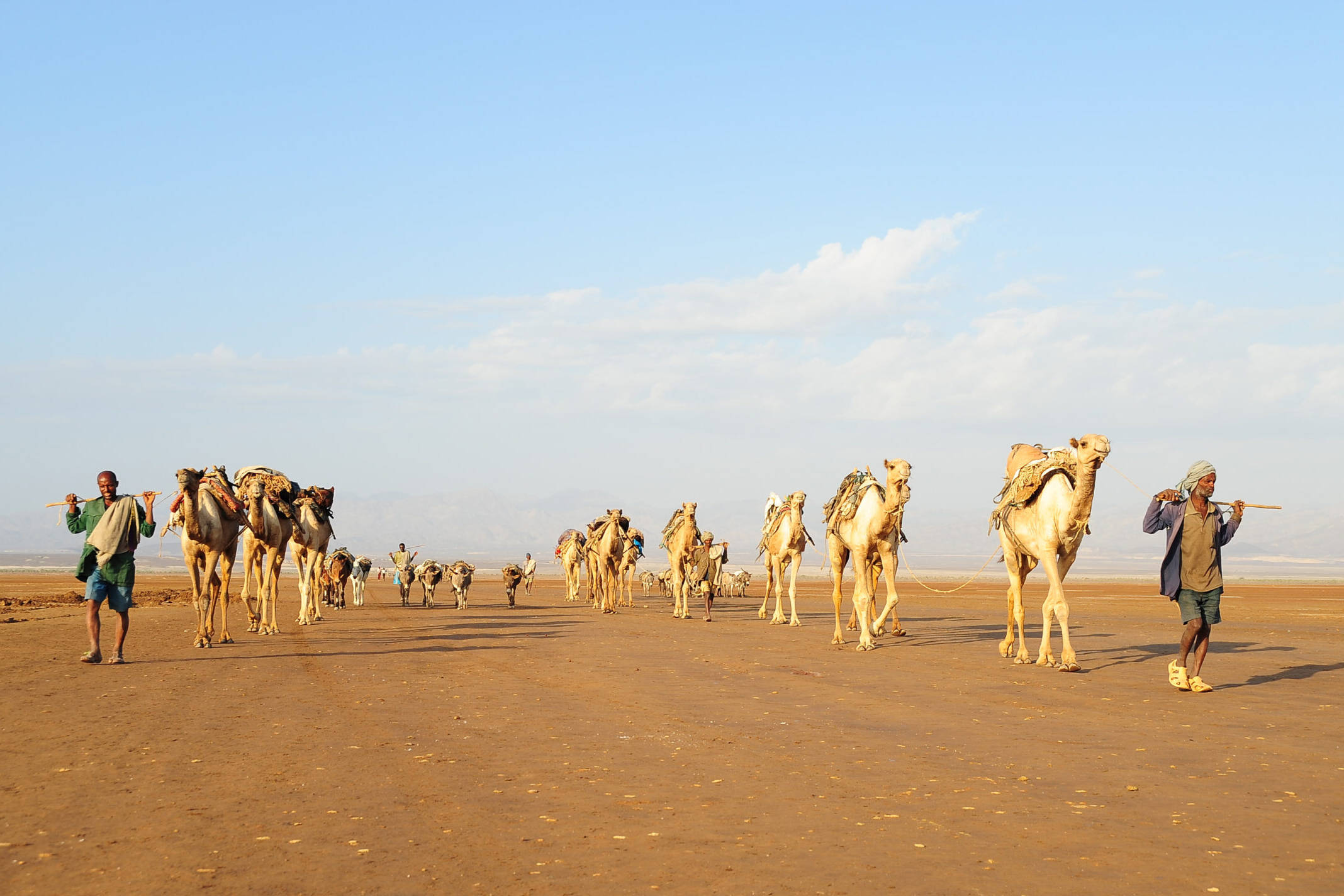
Where the spectacle of the Sahara meets the strange and beautiful rocky landscapes of the Ennedi region, land of the Toubou, the “rock people”.
Did you know?
Planning the trip
A journey in the desert requires special preparation. We start with cultural preparation, to familiarize ourselves with the environment and the traditions. We then move on to psychological preparation to increase adaptability. Finally, it is very important to have adequate physical preparation to withstand continuous exposure to the natural elements and prepare the body for the effort.
Navigating the desert without GPS
When you are in the desert there are certainly no signs or directions, let alone GPS. So how do the Saharan nomadic populations find their way around? Thanks to their extraordinary photographic memory and sense of direction, nomadic peoples like the Touareg, the Toubou or the Sahamba manage to navigate any environment, including the desert, despite the absence of clear landmarks
Tea time with the nomads
What we call “afternoon tea” is one of the most important social practices of the Saharan people. A real ritual that signals the time of the day and breaks the monotony. Any time is a good time to make tea and is the first sign of hospitality towards a guest. Miraculous toner and foundation for social life, tea is a natural booster for nomads.
The richness of the Saharan landscape
Chad is a country dominated largely by the desert. The northeastern part of the Chadian Sahara is home to the Ennedi Region and its homonymous mountain range, now a UNESCO World Heritage Site.
This peculiar and majestic system of sandstone mountains extends for about 60,000 km2 and fascinates travellers with its bizarre rock formations. The latter form a maze of canyons and gorges, interspersed with sandy plains and dunes.
One of the most beautiful places in the region is undoubtedly the gorges of Archeï: where a green seasonal river (ouadi) twists among towers of sandstone, ultimately reaching a narrow gorge where a beautiful guelta, a rainwater collection basin, houses the last specimens of the Saharan crocodile (Crocodylus suchus).
A magical place with a biblical charm.
“IN THE DESERT, MY EXPERIENCE WAS THE OPPOSITE OF THE CITY. AND BY THAT I MEAN THAT WHILE THE CITY – SO VITAL WITH ITS CROWDS, MOVEMENT AND LIGHTS – REMINDS ME OF DEATH, THE DESERT – SYNONYMOUS WITH DEATH – SOMEHOW MANAGES TO GIVE ME THE IMPRESSION OF LIFE.”A. Moravia
Archeï
Toubou, the rock people
In addition to a characteristic flora, completely unusual for the Sahara, and an unexpected fauna, including gazelles, hyenas and baboons, the area of the Ennedi is inhabited by the nomadic group of Toubou.
As their name suggests – and by nature – they are the “inhabitants of the mountain”. Like the mountain, they are extremely resistant, especially when enduring their usual long daily marches, and unflappable in times of distress.
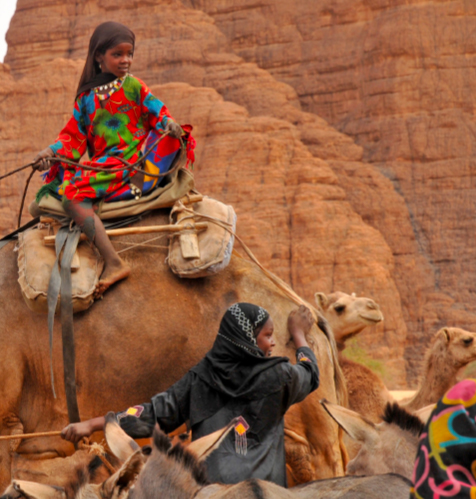
The Toubou couple this with a complex psychology: unflappable, but also quick-tempered; loyal but vindictive; open and courageous but also devious and liars; and very attached to their nomadic lifestyle and personal freedom.
Their freedom is very dear to them: every Toubou sees himself as his own master.
These anarchist warriors historically resisted French colonizers, and to this date, their spirit remains indomitable. The core of the Toubou society is the clan: a group of families descended from a single common ancestor, often idealised, perpetuated from father to son.
To maintain a genetic exchange, marriages take place exclusively between different clans and involve the exchange of cattle between the groom and the bride.
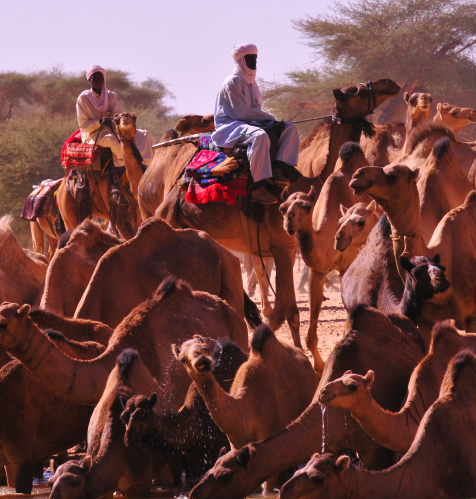
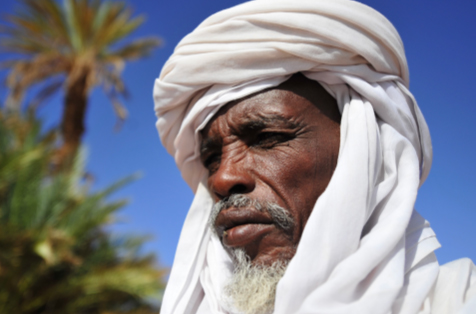
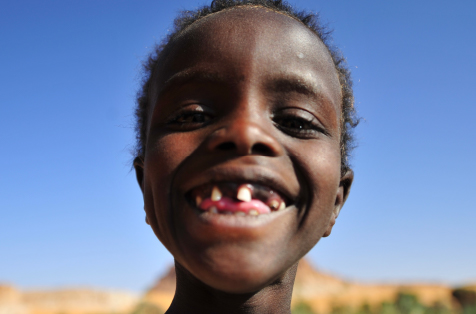
A remarkably true and rough country that leaves a mark like a punch in the face: unforgettable.
~by Frank
{:}{:it}
Frames by Frank
CIAD
Sahara
Dove la magnificenza del Sahara incontra i paesaggi rocciosi insoliti e di rara bellezza della regione dell’Ennedi, terra dei Toubou, “abitanti della montagna”
Lo sapevi?
La preparazione al viaggio
Un viaggio nel deserto richiede una preparazione speciale. Si parte con la preparazione culturale , per conoscere in anticipo ambienti e tradizioni. Si passa poi alla preparazione psicologica per aumentare il senso di adattamento. Infine, è importantissima una preparazione fisica adeguata per sopportare l’esposizione continua agli elementi naturali e preparare il corpo ai ritmi sostenuti del viaggio.
Come orientarsi senza GPS
Quando ti trovi nel deserto non ci sono certo cartelli o indicazioni stradali, figuriamoci GPS o navigatori. Come possono orientarsi dunque le popolazioni nomadi sahariane? Grazie alla loro memoria fotografica e senso dell’orientamento straordinari, i popoli nomadi come i Touaregh, i Toubou o i Sahamba, riescono a destreggiarsi in qualsiasi ambiente , incluso il deserto, nonostante l’assenza di chiari punti di riferimento.
Il tè e le etnie nomadi nomadi
La cerimonia del tè è una delle più importanti pratiche sociali delle popolazioni sahariane. Un vero e proprio rituale che scandisce i tempi della giornata e ne rompe la monotonia. Ogni momento è buono per fare il tè ed è il primo segno di ospitalità verso un ospite. Tonificante miracoloso e cemento della vita sociale, è per i nomadi un vero e proprio doping naturale.
La ricchezza del
paesaggio sahariano
Il Ciad è un Paese dominato in gran parte dal deserto. La parte nord-orientale del Sahara ciadiano ospita la regione dell’Ennedi, e il suo omonimo massiccio montuoso, dal 2016 patrimonio mondiale dell’UNESCO.
Un peculiare e maestoso sistema di montagne arenacee che si estende per circa 60.000 km2, questa formazione geologica affascina il viaggiatore per le sue bizzarre formazioni rocciose che danno vita a un dedalo di canyon e gole, intervallati piane sabbiose e dune.
Uno dei luoghi più suggestivi della regione sono senza dubbio le gole di Archeï: dove un verdissimo fiume stagionale (ouadi) si snoda tra torri di arenaria, fino ad addentrarsi in una stretta gola che custodisce una splendida guelta, un bacino di raccolta di acqua piovana, dove sopravvivono quelli che sono gli ultimi esemplari di coccodrillo sahariano (Crocodylus suchus). Luogo magico dal fascino biblico.
“NEL DESERTO MI È SUCCESSO IL CONTRARIO CHE NELLA CITTÀ. E CIOÈ, MENTRE LA CITTÀ, COSÌ VITALE, CON LA SUA FOLLA, IL SUO MOVIMENTO, LE SUE LUCI, MI DÀ UN’IMPRESSIONE DI MORTE, IL DESERTO CHE È SINONIMO DI MORTE, RIESCE IN QUALCHE MODO A ISPIRARMI UN’IMPRESSIONE DI VITA.”A. Moravia
Archeï
I Toubou,
uomini della montagna
Oltre ad una caratteristica flora, del tutto inusuale per essere nel cuore del Sahara, ed a una inaspettata fauna, che comprende tra l’altro gazzelle, iene e babbuini, l’area dell’Ennedi è intensamente abitata dal gruppo nomade dei Toubou.
Per nome e per natura sono gli “abitanti della montagna”, e come la montagna sono estremamente resistenti nell’affrontare le loro lunghissime marcie giornaliere e imperturbabili di fronte ad ogni disagio.
I Toubou sono caratterizzati da una psicologia complessa: imperturbabili sì nelle difficoltà, ma anche facilmente collerici; leali ma vendicativi; aperti e coraggiosi ma anche subdoli e bugiardi fino alla morte; legati al nomadismo e al senso di libertà personale.
Una libertà alla quale sono cari: ogni Toubou si considera padrone di sé stesso e non rende conto a nessuno. Questi guerrieri dallo spirito anarchico misero a dura prova i colonizzatori francesi, e tutt’oggi il loro spirito rimane indomito.
Fulcro della società toubou è il clan: un insieme di famiglie discendenti da un unico antenato comune, spesso mitizzato, in una linea che viene perpetuata di padre in figlio. Per mantenere un ricambio genetico, i matrimoni avvengono esclusivamente tra clan diversi, e comportano uno scambio di bestiame tra il clan dello sposo e quello della sposa.
Un paese maledettamente
vero e rude che lascia il
segno come un cazzotto in
mezzo agli occhi…
indimenticabile
~by Frank
{:}